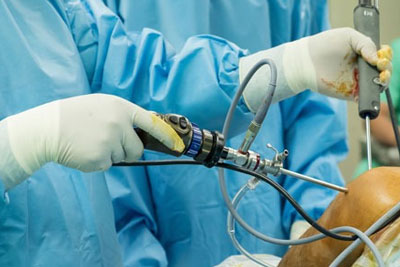
Shoulder Arthroscopy
Shoulder arthroscopy is a minimally invasive surgical procedure used to diagnose and treat various shoulder problems using a small camera and specialized instruments. This advanced technique helps reduce pain, restore shoulder function, and improve mobility with smaller incisions, minimal scarring, and faster recovery compared to traditional open surgery.
Conditions
Dr. Praveen Kumar provides advanced arthroscopic treatment for various shoulder conditions including:
- Rotator Cuff Tear
- Shoulder Instability
- Recurrent Shoulder Dislocation
- Frozen Shoulder
- Labral Tear
- SLAP Lesion
- Shoulder Impingement Syndrome
- Shoulder Tendon Injuries
- Sports-related Shoulder Injuries
- Shoulder Joint Inflammation
Symptoms
Common symptoms of shoulder conditions may include:
- Shoulder pain during movement
- Difficulty lifting the arm
- Weakness in the shoulder
- Shoulder stiffness
- Clicking or popping sensation
- Limited range of motion
- Pain during sports activities
- Shoulder instability
- Night pain while sleeping
Causes
Shoulder injuries and conditions may occur due to:
- Sports injuries
- Repetitive overhead activities
- Sudden trauma or accidents
- Falls on the shoulder
- Heavy lifting
- Age-related degeneration
- Poor posture
- Muscle weakness
- Previous shoulder dislocations
Treatment
Treatment depends on the severity and type of shoulder condition. Advanced treatment options include:
- Clinical shoulder evaluation
- MRI and imaging diagnosis
- Pain management medications
- Physiotherapy rehabilitation
- Shoulder strengthening exercises
- Arthroscopic shoulder surgery
- Rotator cuff repair
- Labral repair procedures
- Minimally invasive treatment techniques
- Post-operative rehabilitation guidance
Benefits of Shoulder Arthroscopy
- Smaller surgical incisions
- Less pain after surgery
- Faster recovery and healing
- Minimal scarring
- Improved shoulder movement
- Better shoulder stability
- Reduced hospital stay
- Early return to daily activities
- Improved quality of life
Prevention
Shoulder injuries can often be prevented with proper care and precautions:
- Warm-up before physical activities
- Strengthen shoulder muscles
- Maintain proper posture
- Avoid repetitive strain
- Use proper sports techniques
- Avoid heavy lifting without support
- Stretch regularly
- Take adequate rest after activities
- Follow rehabilitation exercises after injuries