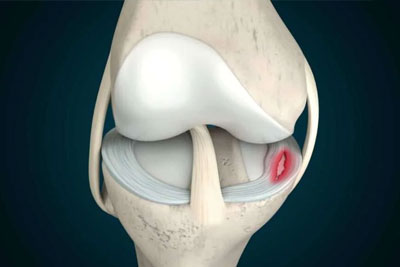
Meniscus Repair
The meniscus is a C-shaped cartilage in the knee that acts as a shock absorber and helps stabilize the joint. Meniscus tears are one of the most common knee injuries and can occur due to sports injuries, sudden twisting movements, aging, or trauma. Meniscus repair surgery helps preserve the cartilage, restore knee function, and reduce pain while improving long-term joint health.
Conditions
Dr. Praveen Kumar provides advanced treatment for various meniscus-related knee conditions including:
- Meniscus Tear
- Sports-related Knee Injury
- Bucket Handle Meniscus Tear
- Degenerative Meniscus Injury
- Knee Cartilage Damage
- Locking of the Knee
- Recurrent Knee Pain
- Knee Instability
- Meniscus Root Tear
- Traumatic Knee Injuries
Symptoms
Common symptoms of meniscus injury may include:
- Knee pain during movement
- Swelling around the knee
- Knee locking or catching
- Difficulty bending the knee
- Clicking sensation in the knee
- Stiffness in the knee joint
- Reduced range of motion
- Pain while walking or squatting
- Knee instability
Causes
Meniscus injuries commonly occur due to:
- Sudden twisting of the knee
- Sports injuries during physical activity
- Deep squatting movements
- Direct trauma to the knee
- Falls and accidents
- Age-related cartilage degeneration
- Weak knee muscles
- Repetitive knee stress
- Improper sports techniques
Treatment
Treatment depends on the type and severity of the meniscus tear. Advanced treatment options include:
- Clinical knee evaluation
- MRI and imaging diagnosis
- Pain management medications
- Physiotherapy rehabilitation
- Knee strengthening exercises
- Arthroscopic meniscus repair
- Minimally invasive knee surgery
- Meniscus preservation procedures
- Sports rehabilitation programs
- Post-operative recovery guidance
Benefits of Meniscus Repair
- Preserves natural knee cartilage
- Reduces knee pain and swelling
- Restores knee stability
- Improves knee movement and flexibility
- Faster return to sports activities
- Minimally invasive treatment approach
- Better long-term joint protection
- Reduced risk of arthritis progression
- Improved quality of life
Prevention
Meniscus injuries can often be prevented with proper knee care and training:
- Warm-up before exercise
- Strengthen knee and leg muscles
- Practice proper sports techniques
- Avoid sudden twisting movements
- Wear proper footwear
- Maintain flexibility and fitness
- Avoid overtraining
- Take adequate rest after activities
- Follow rehabilitation exercises after injuries